 Gautier Deblonde
Tuktoyaktuk
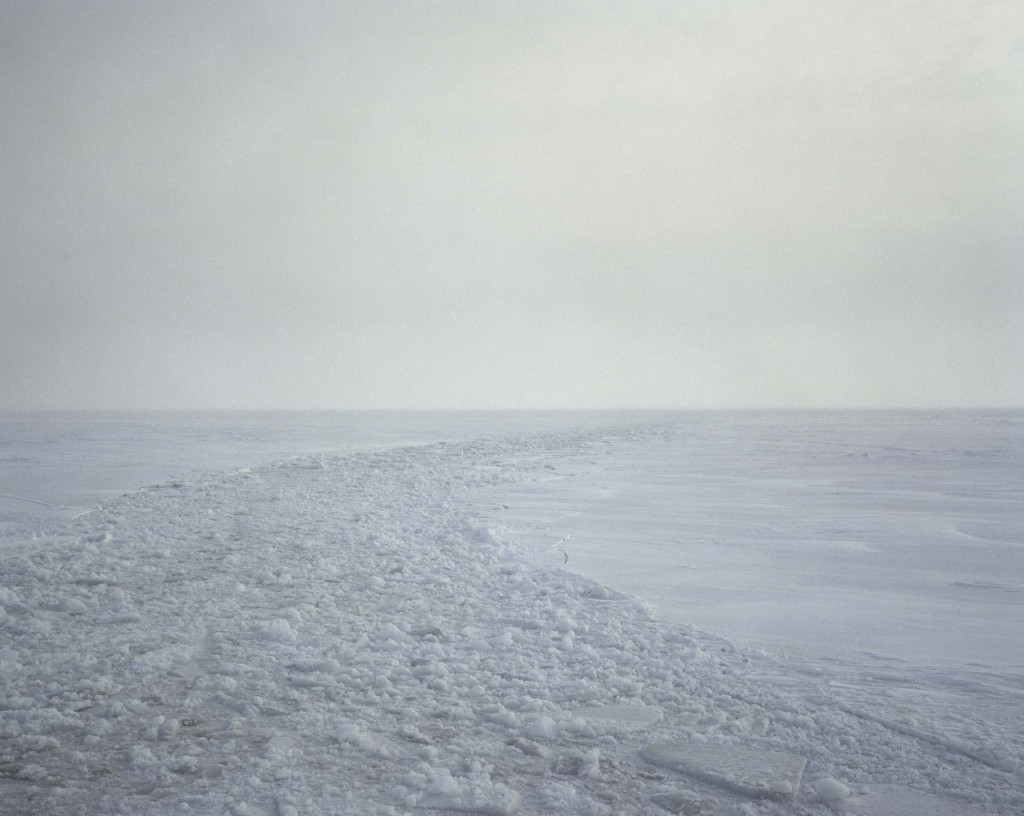
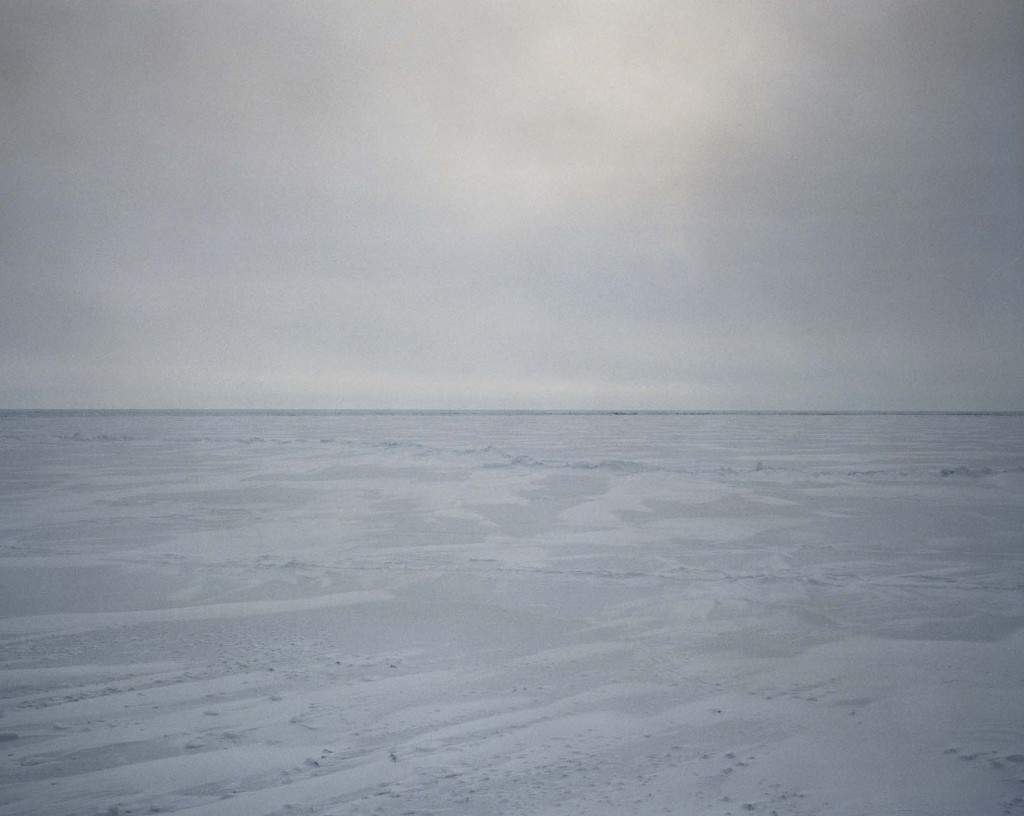
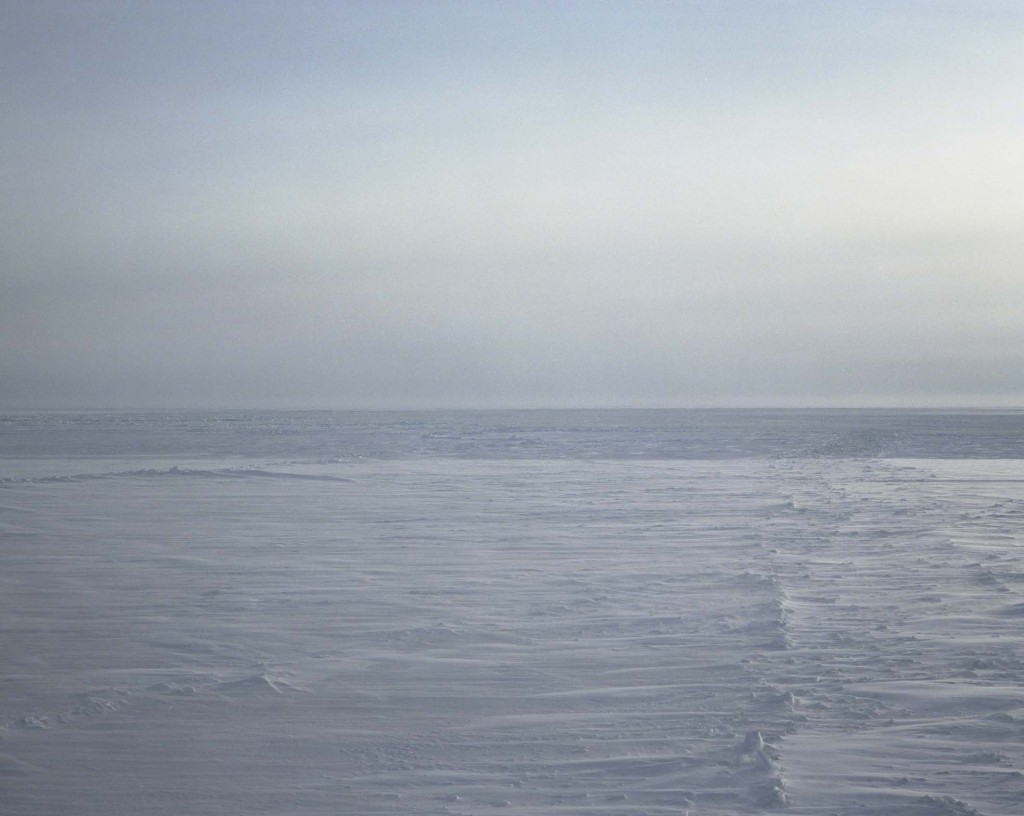
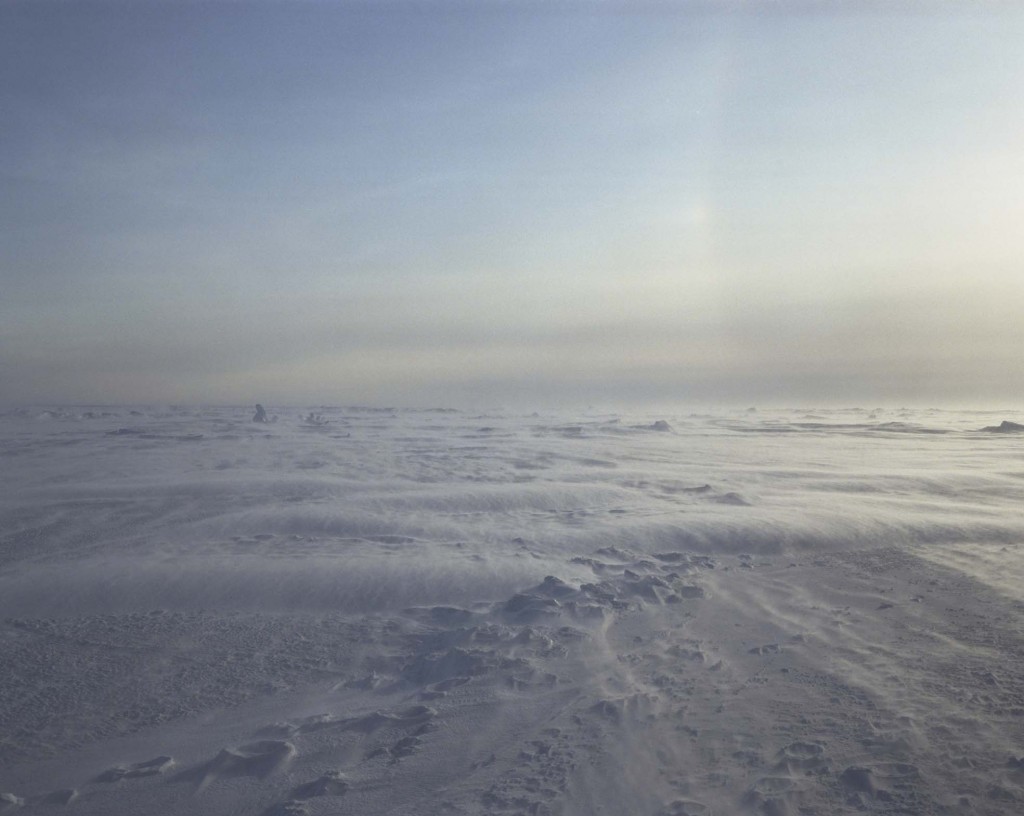
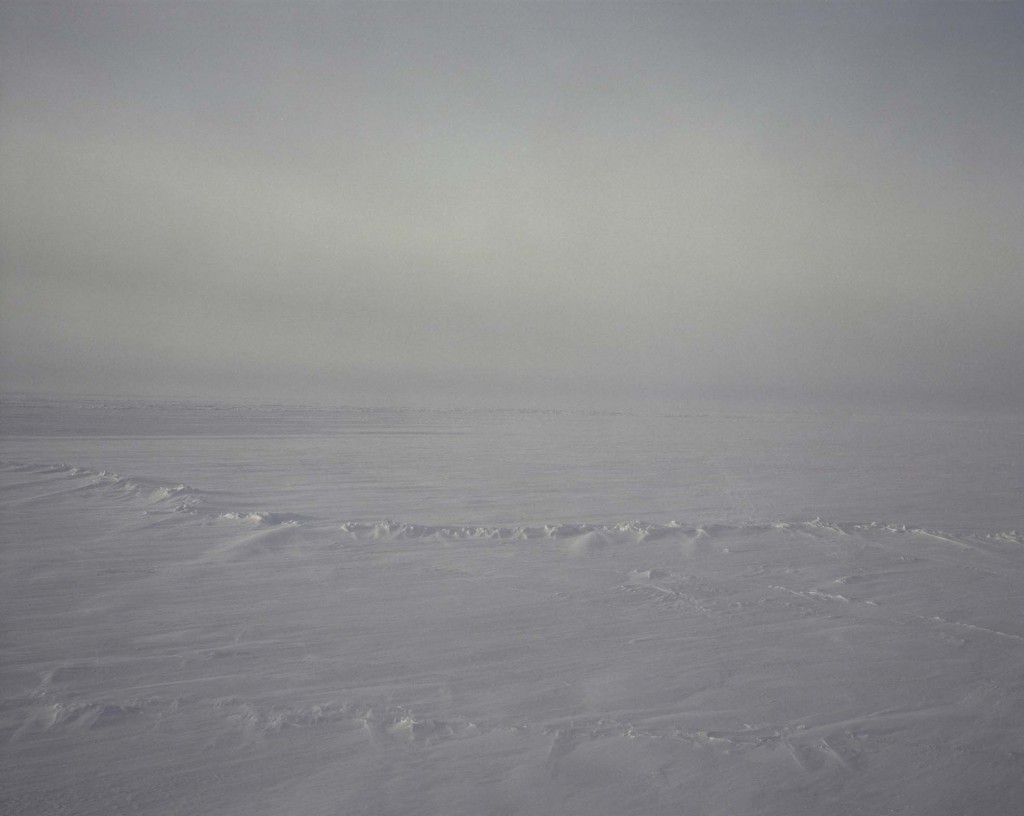
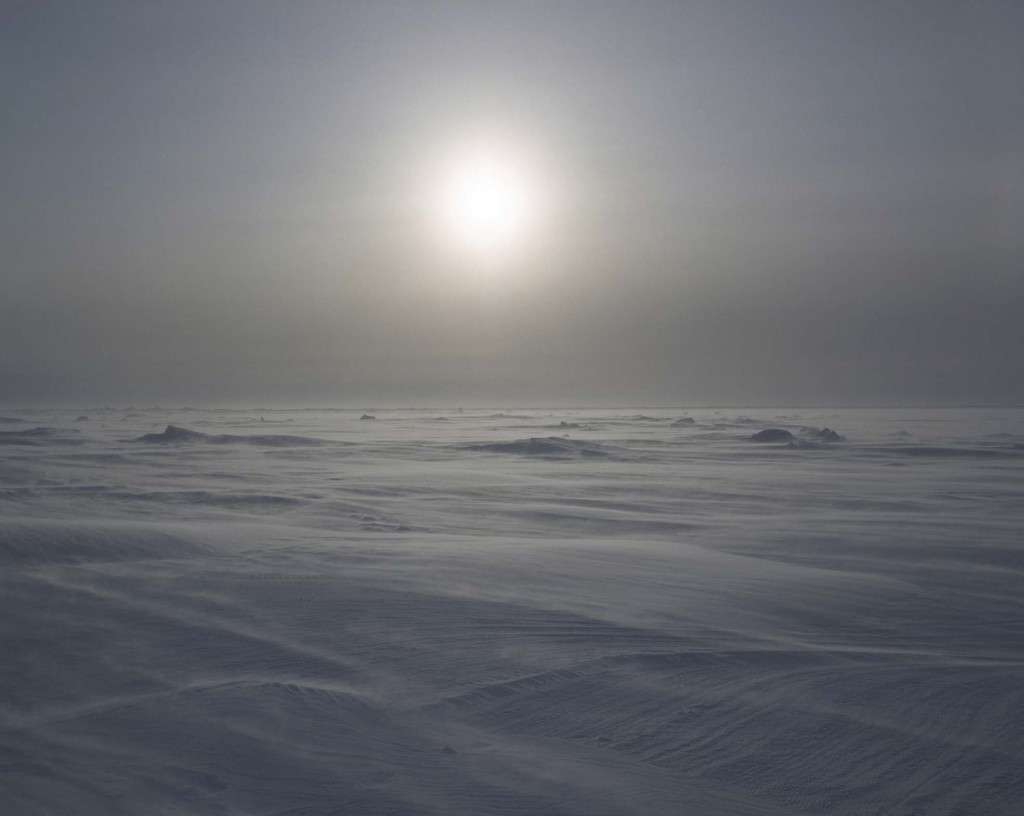
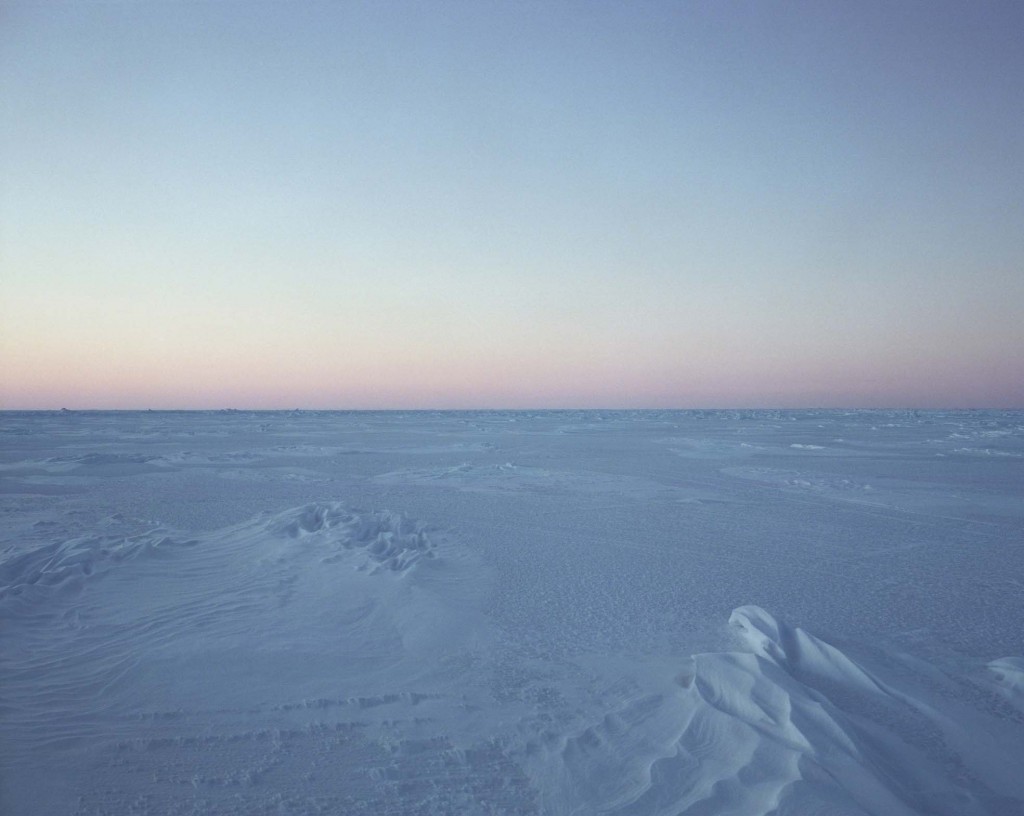
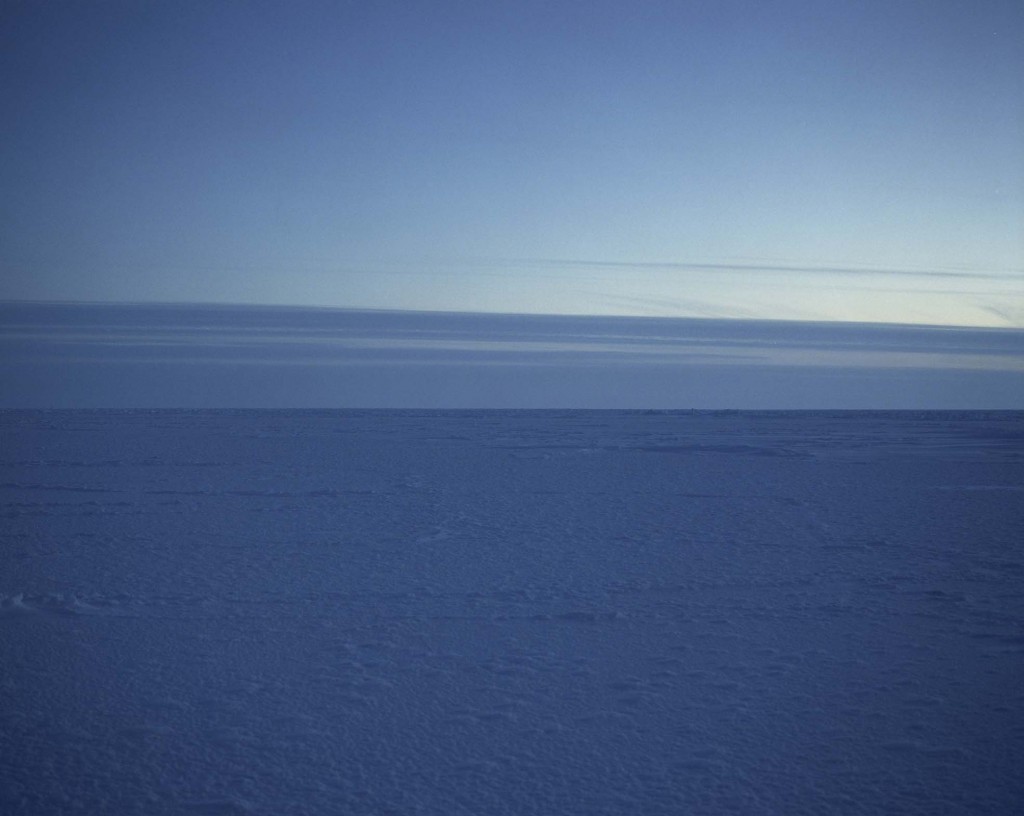
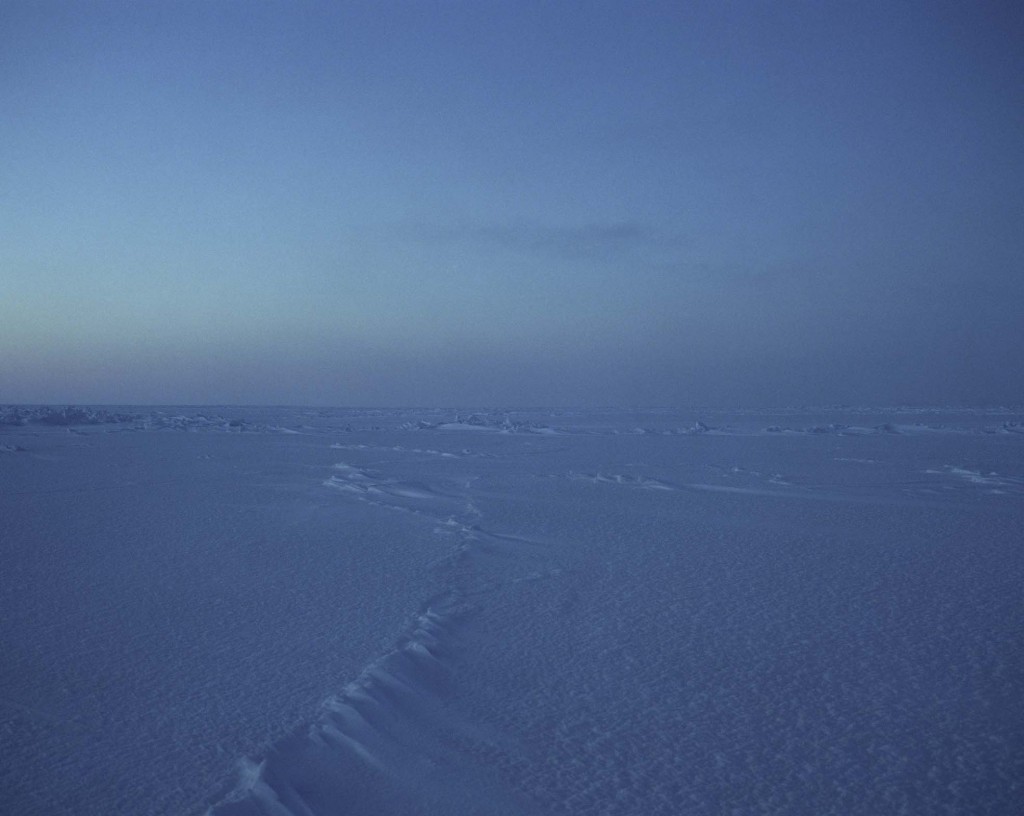
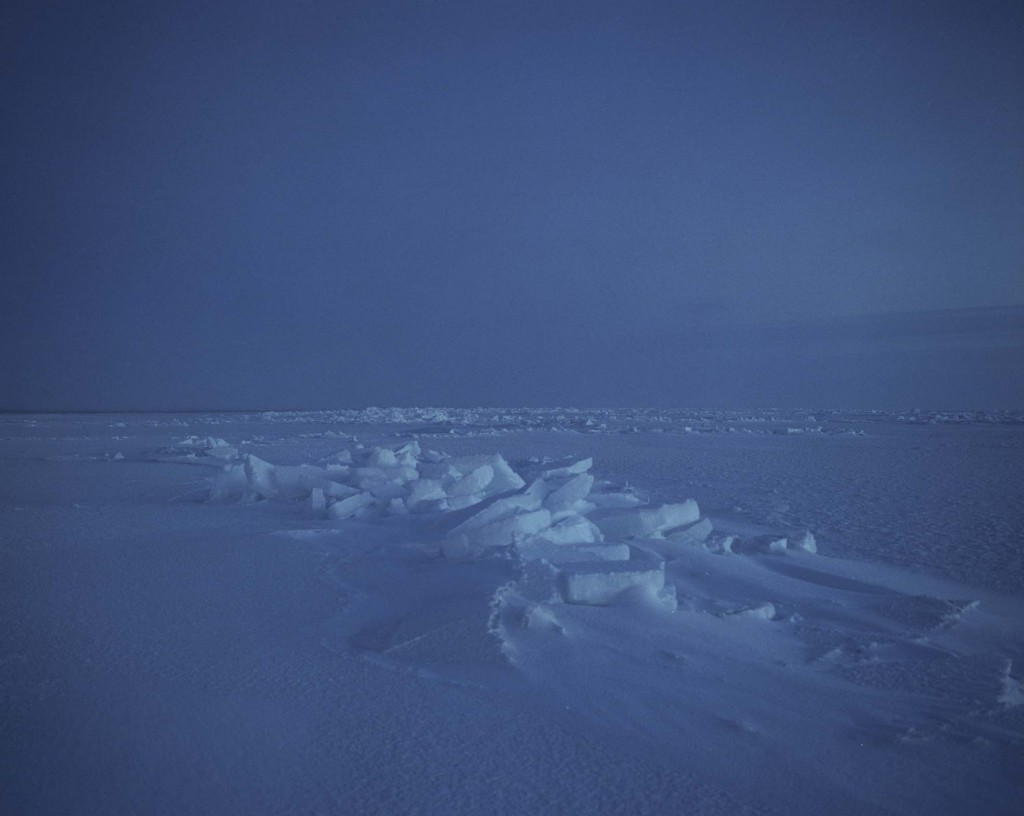
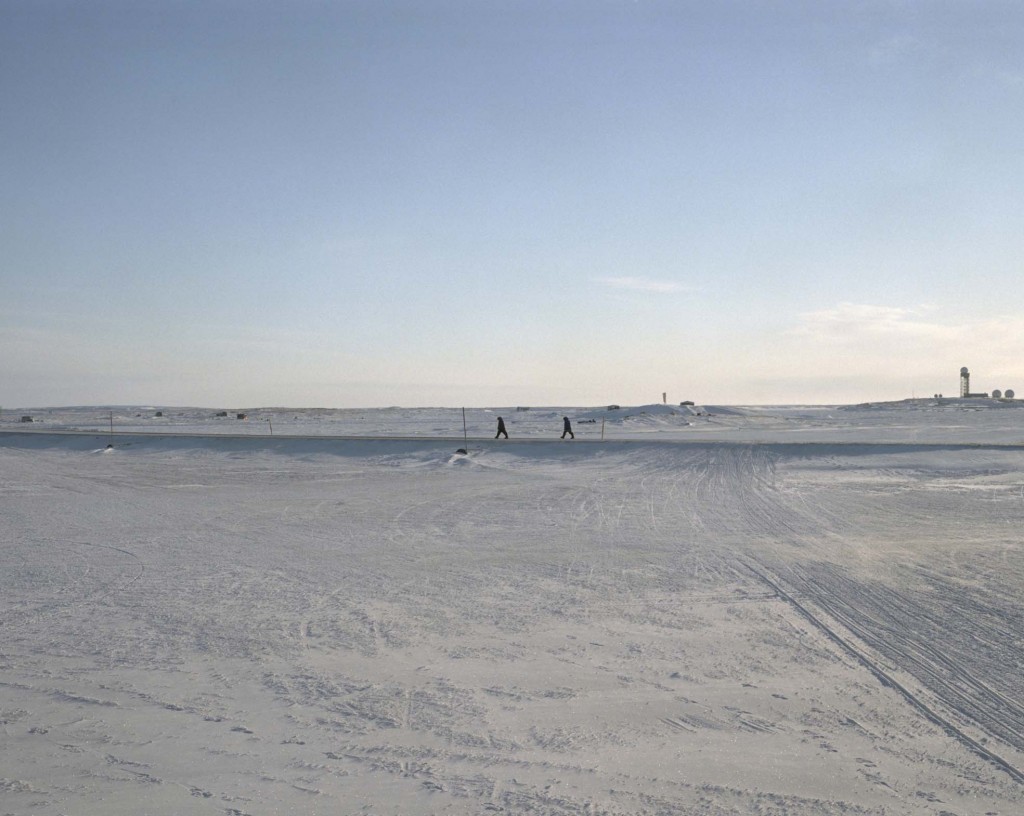
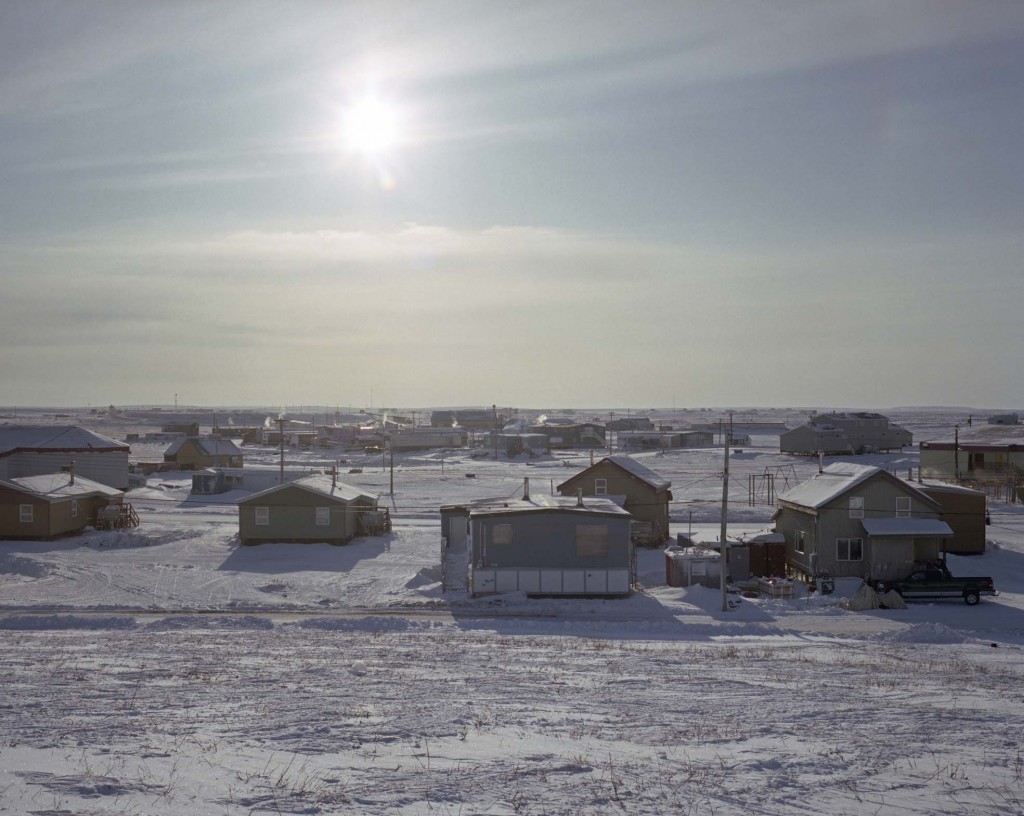
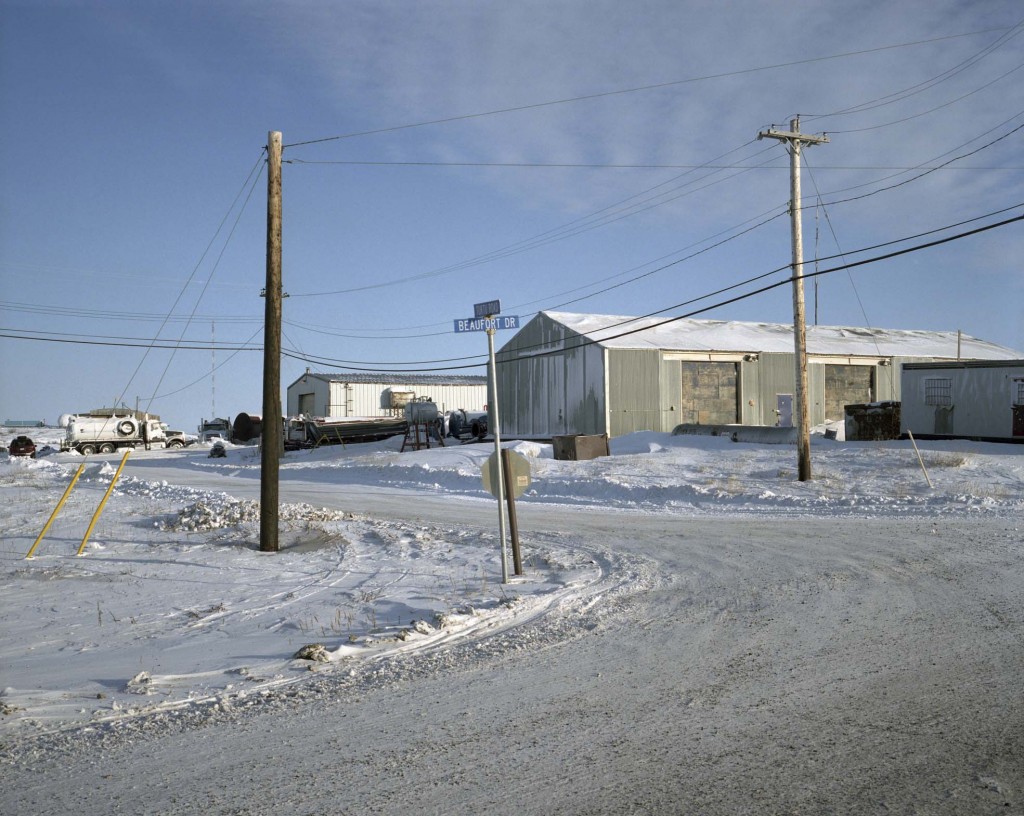
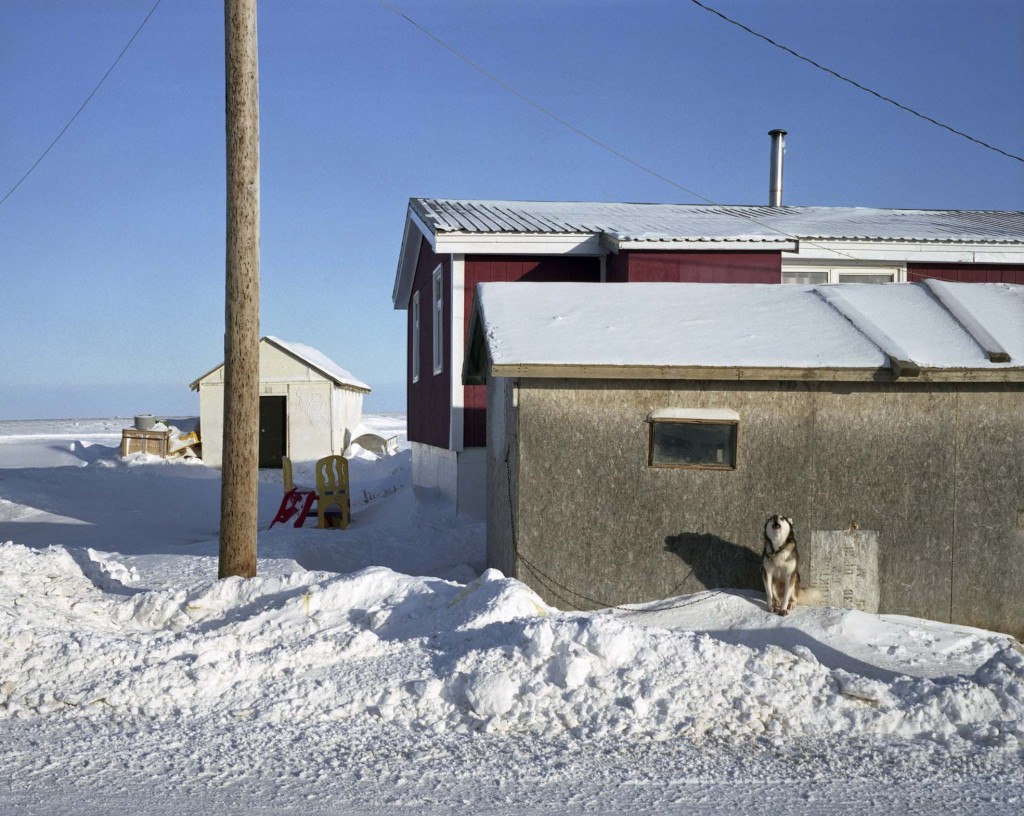
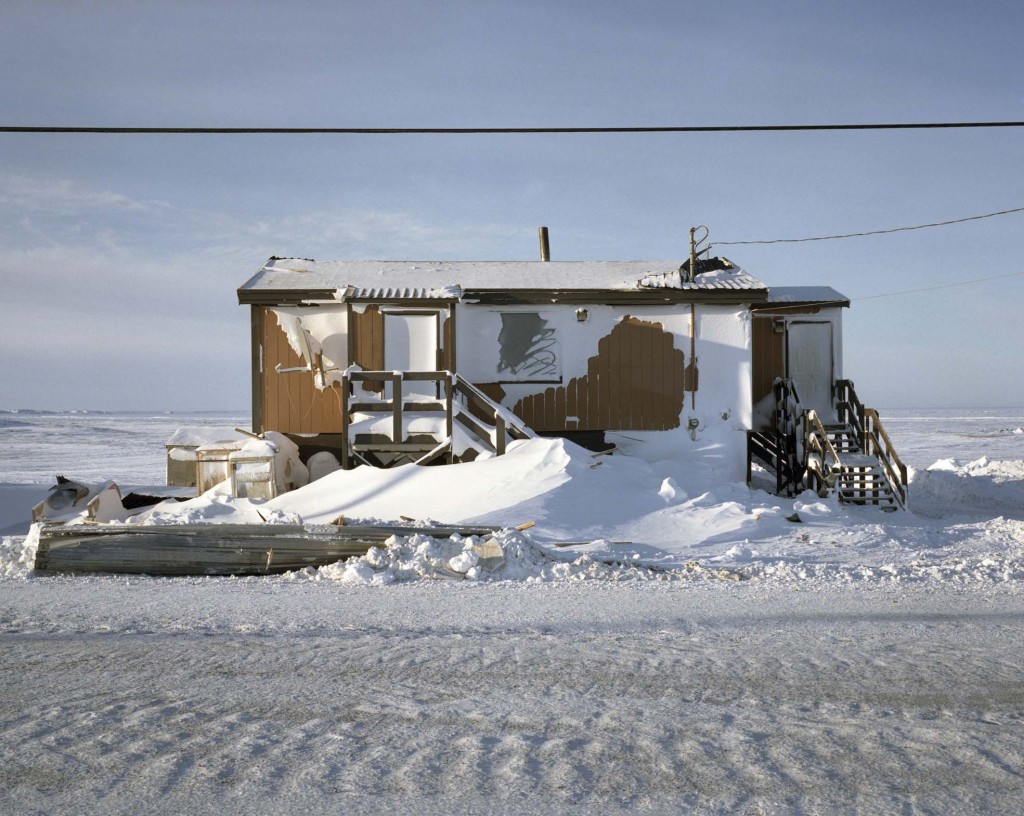
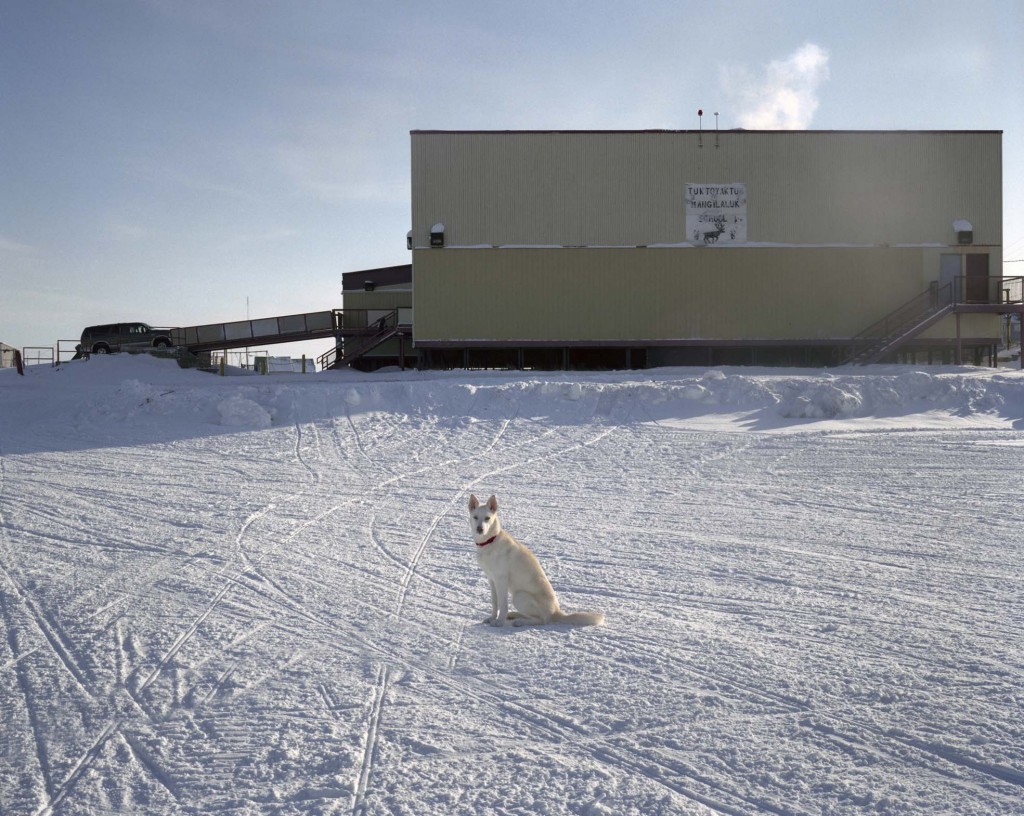
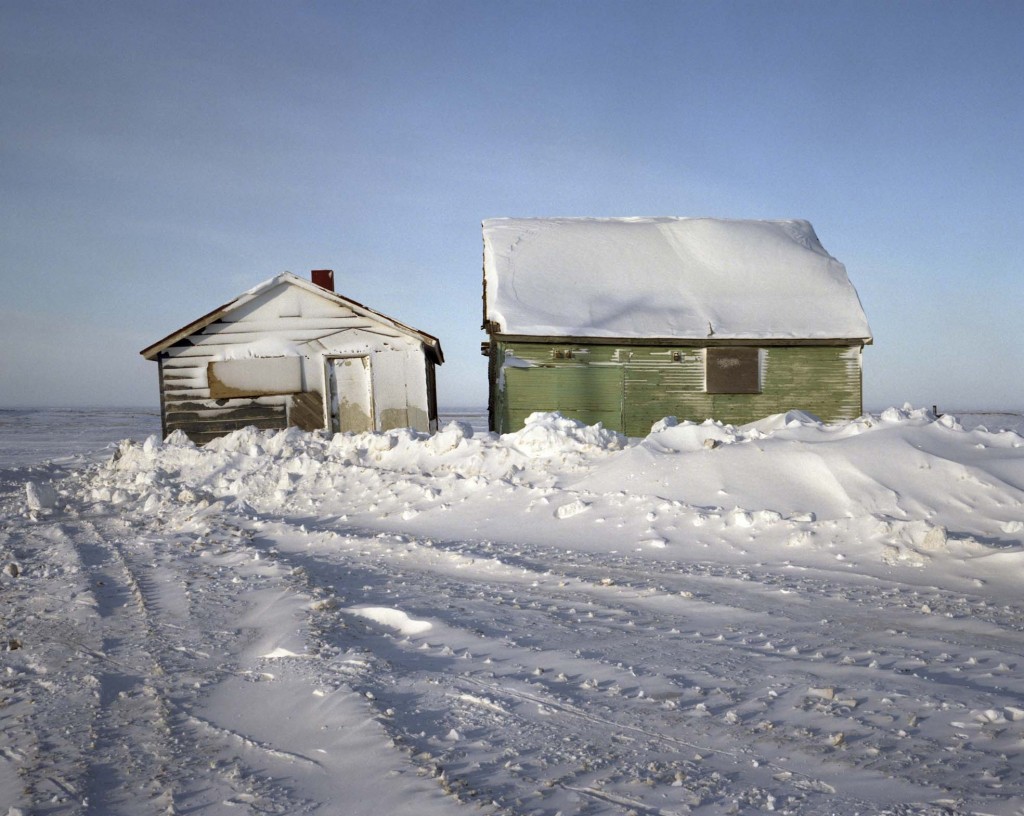
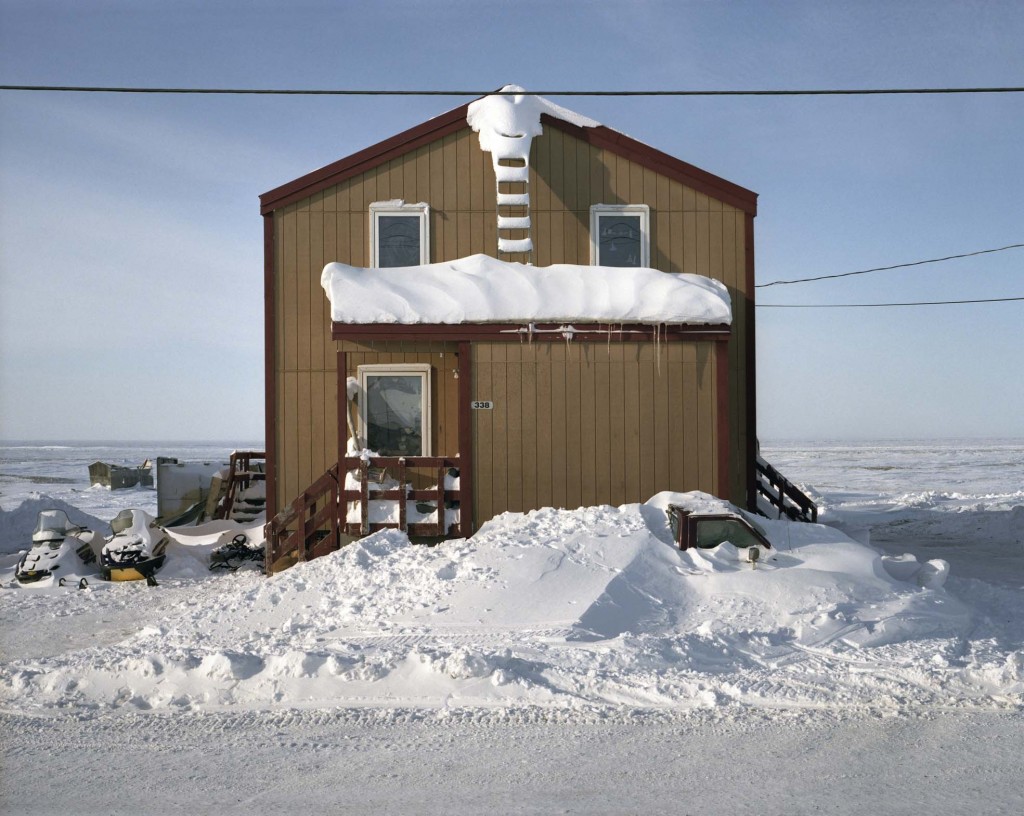
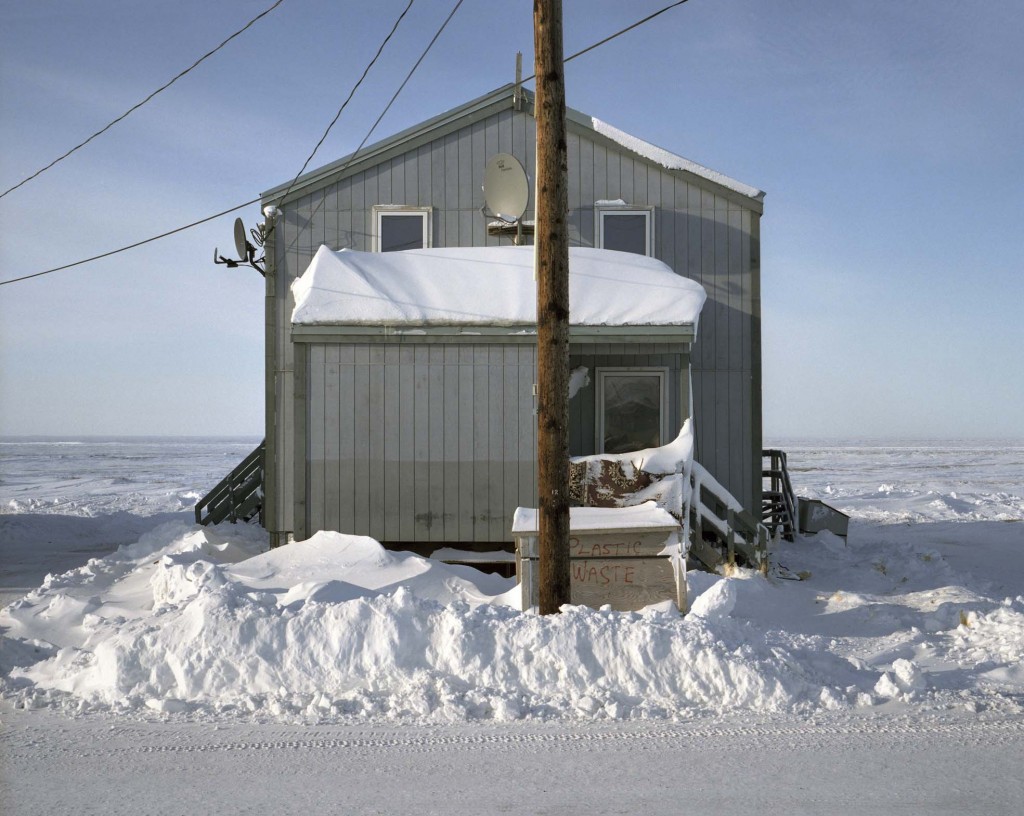
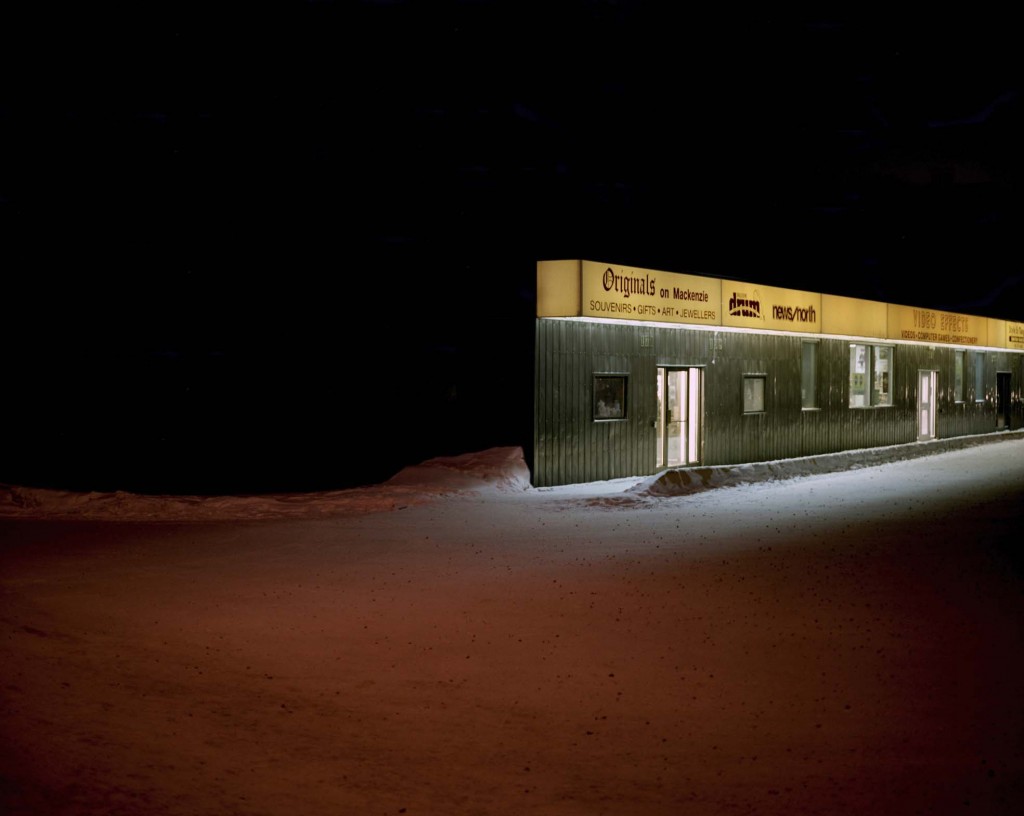
Tuktoyaktuk, (it looks like a caribou), is a hamlet located in the Inuvik Region of the Northwest Territories of Canada. The settlement lies north of the Arctic Circle on the shore of the Arctic Ocean. It has a population of 800.As the polar icecap melts, and according to the US Geological survey, up to a quarter of the world’s undiscovered oils and gas may lie beneath the polar seabed-far more than Saudi Arabia total known reserves- will become accessible for the first time, along with vast mineral wealth. New Studies show that by 2015, the Arctic Ocean will be free of ice during the summer. But the question of who owns what in the Arctic is far from clear
Moreover, the melting ice seems likely to open up the Northwest Passage, the fabled Arctic sea route linking the Atlantic and Pacific Oceans, to year-round commercial shipping.
The assessment of potential impacts of present and future variability and change in the Arctic Ocean (anthropogenic or natural) requires a significant increase in oceanographic research efforts.
Because of its arctic responsibilities and as one of the first countries that will be impacted, Canada plays a leading role in the present international effort to study the changing of the Arctic Ocean.
Tuktoyaktuk
Tuktoyaktuk, (il ressemble à un caribou) est un hameau Inuit situé dans les territoires du Nord-Ouest au Canada. « Tuk » se situe au nord du cercle arctique au bord de l'océan Arctique. On y dénombre 800 habitants.Du au réchauffement climatique, la calotte glacière fond inexorablement. Selon une étude de US Geological Survey, un quart des réserves mondiales de pétrole et de gaz se trouve dans les fonds de la mer polaire - bien plus que la totalité des réserves de l’Arabie Saoudite – et deviendra accessible pour le première fois. De nouvelles études montrent que d’ici 2015, l’océan Arctique sera libre de glace durant l’été.
Mais la question de savoir qui possède quoi dans l'Arctique est loin d'être clair.
En outre, la fonte des glaces semble susceptible d'ouvrir le passage du Nord-Ouest, la route maritime mythique reliant l'Atlantique et le Pacifique, donnant la possibilité de naviguer toute l’année.
En raison de ses responsabilités en Arctique et étant l'un des premiers pays qui sera affecté, le Canada joue un rôle de premier plan dans l'effort international actuel pour étudier l'évolution de l'océan Arctique.